Choosing a business tax advisor is an important decision for a small-business owner. The right professional should understand your business, explain your options clearly, and help you prepare for tax obligations before deadlines arrive. However, credentials alone are not enough; you should also understand the services, fees, communication process, and limits of the engagement.
KEY TAKEAWAY
Before you hire, ask for clear answers about qualifications, services, fees, deadlines, communication, and representation rights. Then compare the answers with your business’s actual needs rather than choosing on price alone.
What Does a Business Tax Advisor Do?
A business tax advisor may help you understand tax obligations, organize records, evaluate planning opportunities, prepare for estimated payments, and make informed decisions as your business changes. The exact work depends on the professional’s qualifications and the written engagement.
For example, a business that mainly needs an annual return may require a different service than a growing company dealing with payroll, equipment purchases, multiple revenue streams, or changing cash flow. Therefore, begin by identifying the decisions and responsibilities for which you want support.
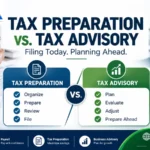
Tax preparation and tax advisory serve related but different purposes. Tax preparation focuses on reporting tax information and filing returns, while advisory work may involve planning and evaluating choices before a return is due. In practice, some engagements include both, so ask the advisor to explain exactly which services the engagement includes.
Questions to Ask When Choosing a Business Tax Advisor
When choosing a business tax advisor, start by confirming who will handle your work and what qualifications that person holds. The IRS recommends checking a tax professional’s credentials, qualifications, and history before engaging them. In addition, verify any credential or license through the appropriate official source.
- What professional credentials do you hold? Ask whether the advisor is a Certified Public Accountant (CPA), Enrolled Agent (EA), attorney, or another type of preparer.
- Are you authorized to represent clients before the IRS? Representation rights differ by credential and circumstances. CPAs, EAs, and attorneys generally have unlimited representation rights before the IRS; other preparers may have limited rights.
- Do you regularly work with businesses like mine? Ask about experience with your entity type, industry, payroll situation, and business stage.
- How do you stay current with tax rules? Ask about continuing education and how the advisor communicates relevant changes.
Paid federal tax return preparers need a preparer tax identification number (PTIN), but the number alone does not grant unlimited IRS representation rights. For that reason, match the professional’s qualifications to the help you expect to need. Review the IRS guidance on choosing a tax professional and understanding preparer credentials and qualifications.
Questions to Ask a Business Tax Advisor About Services and Tax Planning
Next, define what the advisor will actually do. A service list can sound comprehensive while leaving important tasks outside the engagement. When choosing a business tax advisor, ask for specific examples and written deliverables instead of relying on broad promises.
- Do you prepare business tax returns, provide planning, or offer both?
- Will you help estimate tax payments and plan for tax-related cash needs?
- Can you advise on business changes, equipment purchases, hiring, or entity questions within your scope?
- Will you review bookkeeping reports and identify missing or inconsistent information?
- What records must I provide, and how often?
- Which services do you exclude or bill separately?
For instance, a tax advisor may need reliable bookkeeping information to provide useful guidance. If your records are behind, ask whether bookkeeping cleanup is available or whether you should arrange that service separately. SBA guidance on managing your business finances also highlights the practical role of accounting tasks such as cash-flow review, accounts payable and receivable, and reconciliation.
Furthermore, ask how the advisor distinguishes general information from advice tailored to your circumstances. A good process should include questions about your business and explain assumptions, risks, and information still needed.
Questions to Ask a Business Tax Advisor About Fees and Scope
Before choosing a business tax advisor, ask how fees are calculated and what the quoted amount includes. The goal is not simply to find the lowest price; instead, compare the scope, expected work, access to the advisor, and potential additional charges.
- Is the fee fixed, hourly, monthly, or based on another arrangement?
- Which returns, meetings, reviews, and follow-up questions are included?
- What circumstances could increase the fee?
- Do you charge separately for amended returns, notices, bookkeeping cleanup, or extra consultations?
- When are invoices due, and what payment methods are accepted?
- Will I receive a written engagement letter describing the services and responsibilities?
Ask for examples of common extra charges, especially if your records are incomplete or your business situation changes during the year. As a result, you can compare proposals on a like-for-like basis and reduce the chance of surprises. Be cautious if a provider refuses to explain the fee structure or makes guarantees about a particular tax outcome.
Questions to Ask a Business Tax Advisor About Communication
Tax questions do not always arise during filing season. Therefore, understand how you can reach the advisor and what response time you should reasonably expect.
- Who will be my primary contact, and who handles routine questions?
- How quickly do you typically respond during normal business periods?
- Do you offer scheduled check-ins during the year?
- How do you share document requests, deadlines, and action items?
- What secure method should I use to send sensitive financial documents?
- Will you explain recommendations in plain language and document important decisions?
Also ask what happens if your usual contact is unavailable near a deadline. A defined communication process helps both sides understand their responsibilities. Compare this point when choosing a business tax advisor. Meanwhile, regular reviews can help you identify missing records or upcoming decisions before they become urgent.
Warning Signs When Choosing a Business Tax Advisor
One concern alone may not tell the whole story; however, several warning signs together deserve attention. Pause and ask follow-up questions if a prospective advisor:
- Promises a specific refund or guaranteed tax result before reviewing your records.
- Will not explain credentials, fees, or the scope of work.
- Encourages you to sign a return without reviewing it.
- Asks you to provide incomplete or inaccurate information.
- Cannot explain who is responsible for deadlines, records, and follow-up.
- Uses unclear document-handling practices for sensitive financial information.
Ultimately, you remain responsible for the information reported on your tax return, even when a professional prepares it. Consequently, choose someone who welcomes questions, explains uncertainty, and encourages accurate records rather than pressuring you to accept unsupported positions.
Business Tax Advisor Checklist for Your First Meeting
Prepare a short list before the consultation so you can use the time efficiently. Bring only the documents requested and use a secure method for sharing sensitive records.
- Business structure, industry, and a brief description of operations
- Recent tax returns and notices, if relevant and requested
- Current profit-and-loss statement, balance sheet, and bookkeeping status
- Questions about estimated taxes, payroll, growth, or planned purchases
- Known filing dates and any unresolved tax questions
- Your expected services, budget, preferred contact method, and availability
After the meeting, compare the advisor’s answers with your checklist. This final review helps you decide whether the business tax advisor’s proposed scope fits your needs. In particular, confirm the scope, fees, deadlines, and next steps in writing before authorizing work. If something remains unclear, ask for clarification rather than assuming the advisor includes it.
Frequently Asked Questions
Should a small business hire a CPA or an Enrolled Agent?
It depends on the work you need. CPAs and EAs can have broad IRS representation rights, but their training, services, and experience may differ. Compare relevant expertise, availability, and the exact scope of the engagement rather than relying on the credential alone.
What should a business tax advisor’s engagement letter include?
It should clearly describe the services, fees, responsibilities, timing, document requirements, and any important exclusions. In addition, ask how extra work and follow-up support will be handled.
Can one professional prepare returns and provide tax planning?
Sometimes. However, advisors do not automatically bundle these services together. Ask which planning activities the advisor includes, when they occur, and whether separate fees apply.
How often should I speak with my tax advisor?
That depends on your business complexity and the services you purchase. A business with changing operations or frequent planning decisions may need more regular contact than one seeking only annual return preparation. Agree on a schedule that fits your needs.
What if I receive an IRS notice?
Contact your advisor promptly and share the notice securely. Ask whether your engagement covers notice responses and whether the advisor can represent you in that matter.
Is the cheapest tax advisor the best choice?
Not necessarily. Compare qualifications, relevant experience, service scope, communication, and total expected cost. A clear, well-matched engagement is more useful than a low quote that excludes the help you actually need.
Choose Tax Support That Fits Your Business
Choosing a business tax advisor is easier when you compare written answers instead of relying on assumptions. Confirm credentials, define the work, understand the fees, and agree on how communication and deadlines will be managed. Then select a professional whose experience and services match your business needs.
If you are reviewing your business tax support, explore SBA’s business tax advisory services to learn more about the support available. You can also review our guide to business tax advisory and when it may help.
Choose business tax support with confidence.
Clarify your tax-planning needs, understand the services you require, and plan ahead with organized financial information and dependable guidance.
This article provides general educational information, not individualized tax or legal advice. Tax treatment depends on your facts and applicable rules; discuss your specific circumstances with a qualified professional.